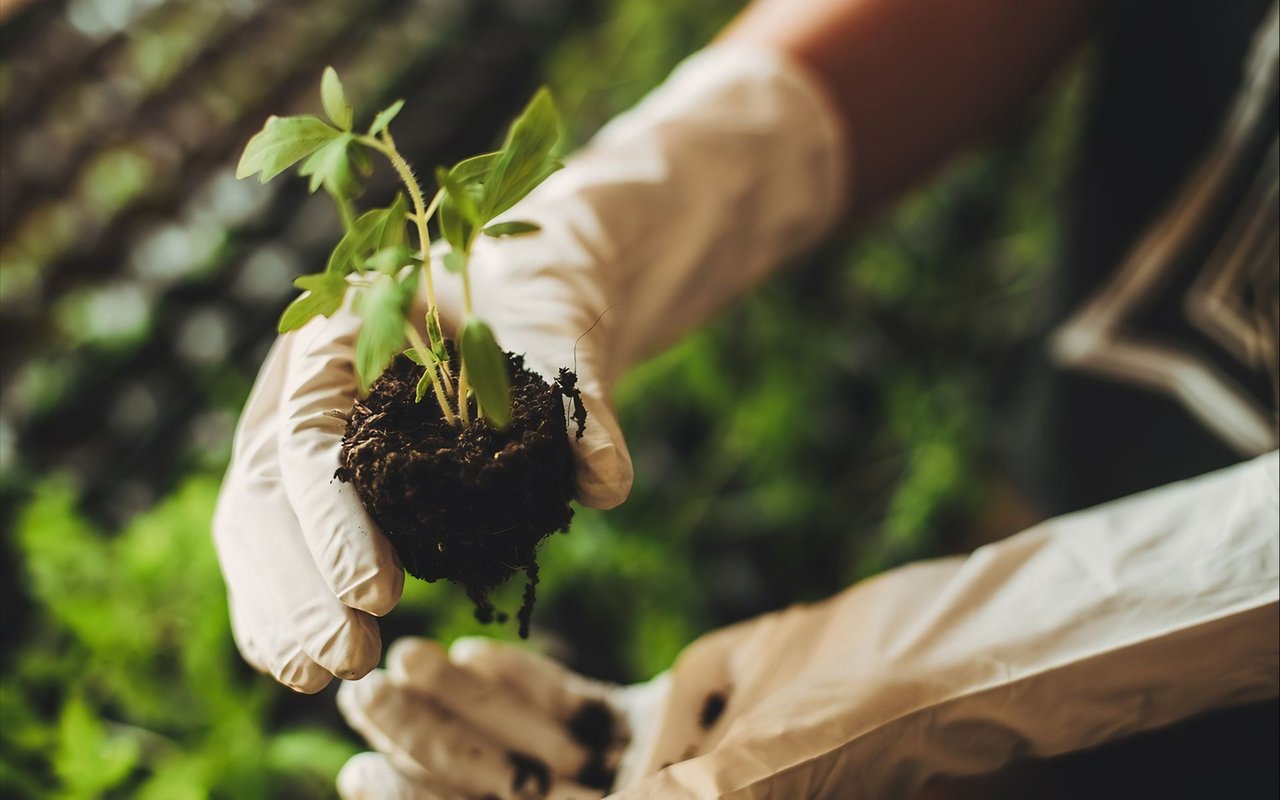
Starting an Indoor Food Garden: A Beginner’s Guide for KW Residents
Imagine fresh herbs for your pasta, crisp lettuce for your salads, and juicy tomatoes ripening on the vine—all within arm’s reach, right inside your home. Starting an indoor food garden is a practical way to add homegrown flavor to your meals, enhance your living space, and cut down on those unpredictable grocery store prices. Plus, it’s easier than you think. Here's how to get started, even if you’ve never grown a thing in your life.
Plants need light, so the best place for your indoor garden in KW is near a south- or west-facing window where they’ll get plenty of sun. If your home doesn’t have enough natural light, LED grow lights are a good alternative to keep your plants thriving. Follow instructions on how far to place your lights from your plants, and adjust based on the type of plant you're growing.
It's convenient (for you) and helpful (for your plants) to set your lights on a timer that mimics the natural rhythm of daylight. If you have a smart home setup, smart plugs set to turn on and off with the sunrise and sunset can be useful. If not, many grow lights come with built-in timers that you can set manually.
Almost any container can work, as long as it has good drainage. If you’re reusing old pots, just make sure they have holes at the bottom. Here’s a breakdown of what works best for different plants:
If you don’t have a lot of space, arranging smaller pots in tiers or on shelves is a good way to make use of limited space. Hanging pots, vertical planters, and support trellises can help container gardens grow vertically.
Avoid layering gravel at the bottom of the pot to assist with drainage, as this actually prevents drainage and increases water retention in the soil. This is called perching, and it happens because water does not easily move from a fine-textured material (like soil) to a coarser material (like gravel) until the soil above becomes completely saturated. It's better to simply use high-quality potting soil in a pot with drainage holes.
Don’t just scoop up dirt from your backyard—indoor plants do best in light, well-draining potting mix. Look for organic potting soil, and give your plants a boost with a balanced liquid fertilizer every few weeks.
For leafy greens, herbs, and microgreens, you can fertilize every two to four weeks with a diluted liquid fertilizer—but you likely won’t need to due to their short growth cycle and reliance on seed nutrients.
Fruiting plants like tomatoes, peppers, and strawberries benefit from a fertilizer high in phosphorus and potassium every two weeks during flowering and fruiting stages. Not sure which one to get? Ask an expert from your local gardening store.
Root vegetables like carrots and radishes need only a light feeding once a month. Excessive fertilization can lead to lush foliage at the expense of root development—which is the part you want. A balanced fertilizer with moderate nitrogen levels is ideal for these plants.
Always follow the recommended dosage on the fertilizer label, and avoid applying it to dry soil. Water your plants first to prevent root burn.
Overwatering is the number one killer of indoor plants. Water when the top inch of soil feels dry—if it’s still moist, wait a bit. A spray bottle works well for delicate seedlings, while a small watering can is great for larger plants. You can also use self-watering planters if you’re concerned about this part, and place a tray underneath pots to catch excess moisture.
Plants are living things, and like any living thing, they need care. Check in on them regularly—trim herbs to encourage growth, rotate plants so they grow evenly toward the light, and watch for any signs of pests. If you notice gnats or tiny bugs, try sprinkling cinnamon on the soil or using a mild soap spray.
There’s nothing quite like snipping fresh basil for your homemade pizza or picking crisp greens for a salad you grew yourself. Plus, tending to an indoor garden is a great stress reliever and a lovely way to bring life into your home.
Starting small is the key—just a few pots on a sunny windowsill in your KW home can get you hooked on growing your own food. Who knows? Today, it’s basil and lettuce. Tomorrow, you might be harvesting peppers and cherry tomatoes.
Are you thinking about starting an indoor food garden? Let me know what you’d love to grow. Need more space for your indoor garden? Let’s find you the perfect home.
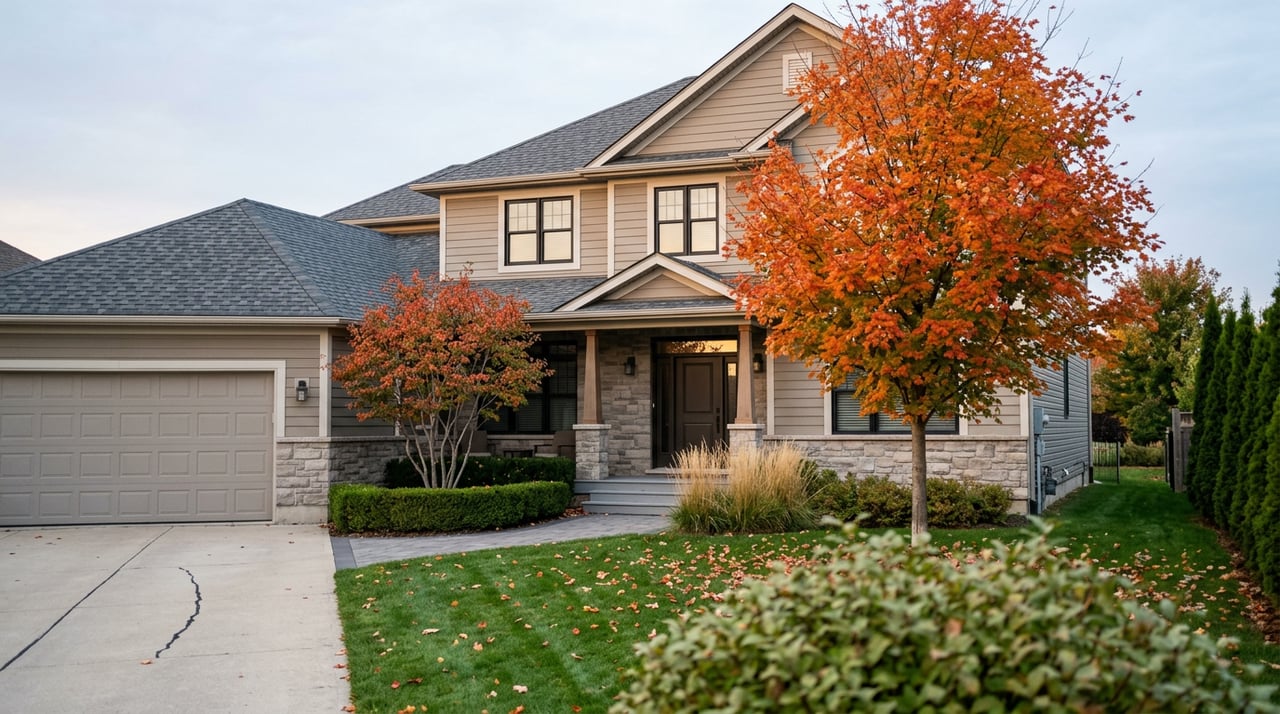
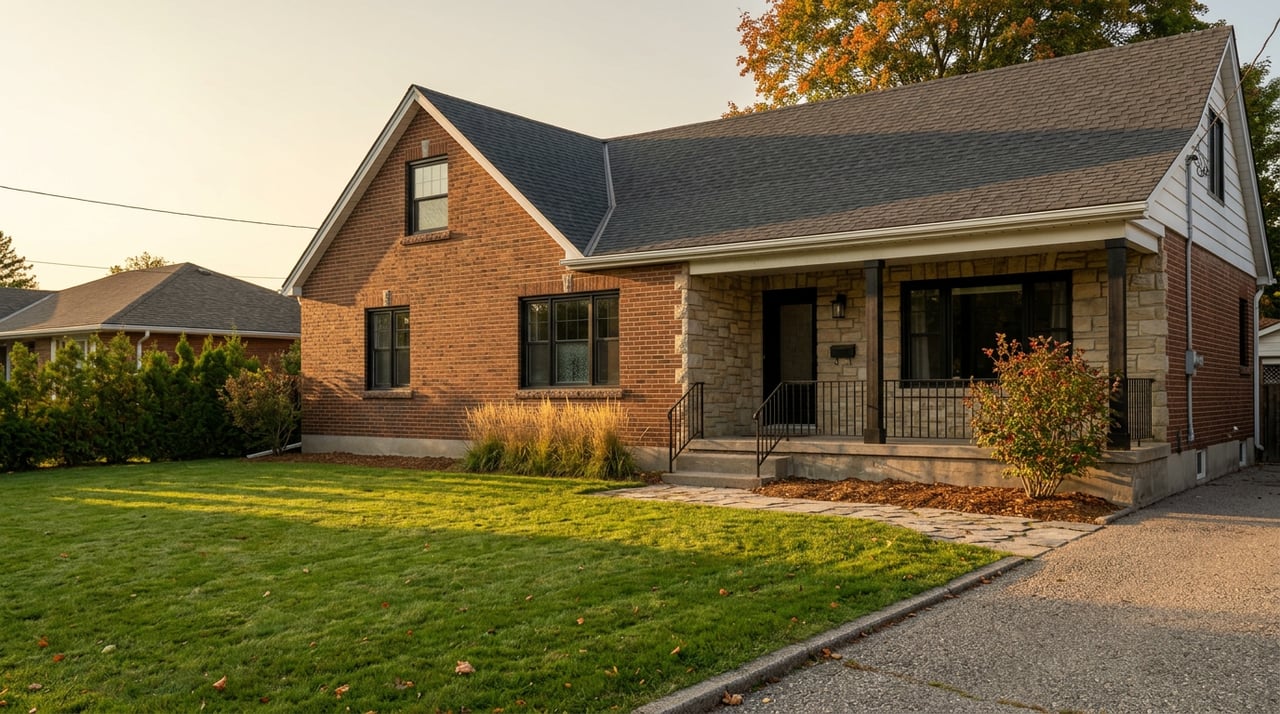

Whether you are buying a luxury home, selling an acreage property, relocating within Ontario, or exploring your next investment, I will help you understand the opportunity and make informed decisions at every stage. My approach is personal, strategic, and grounded in honest communication—from our first conversation through negotiation, closing, and beyond. If real estate is part of your next chapter, I would welcome the opportunity to learn what matters most to you and create a plan around it.
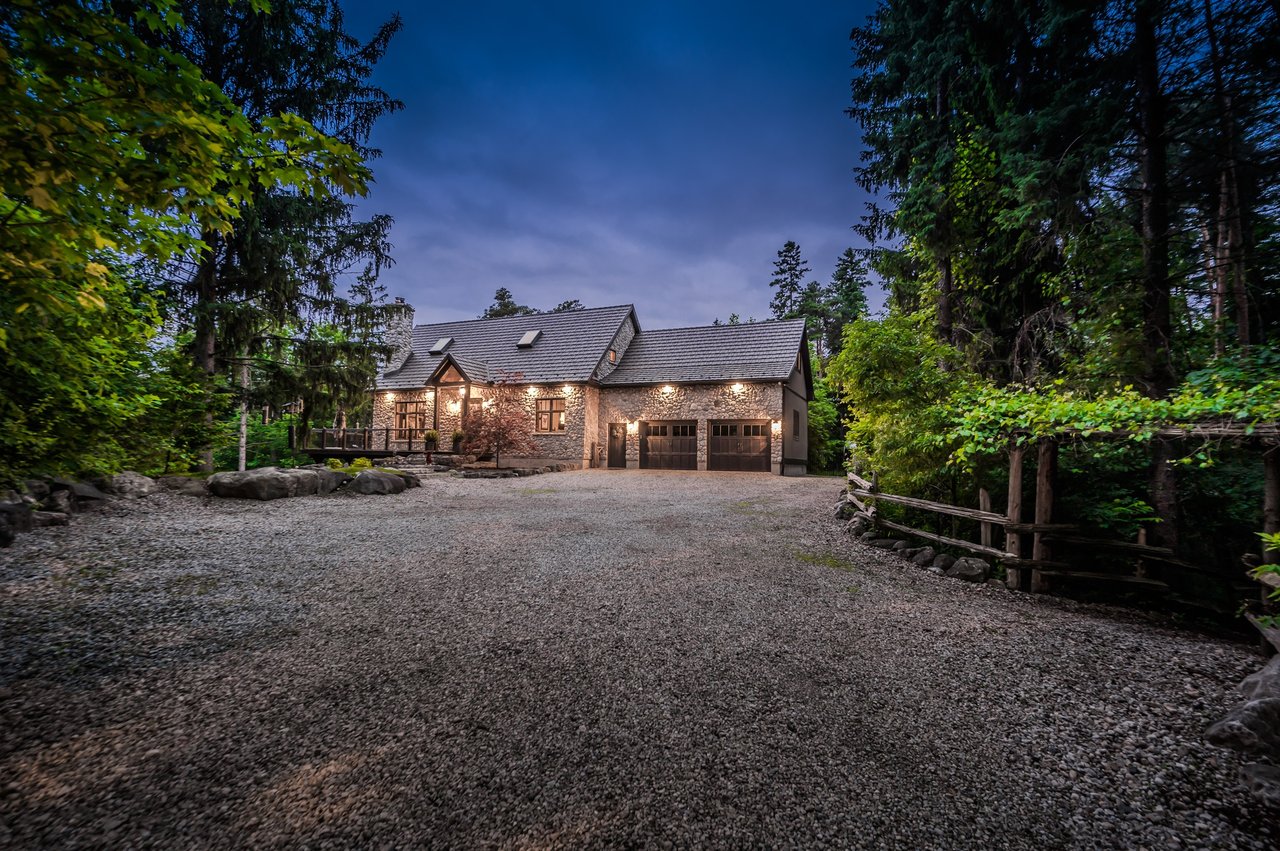
Let’s Talk Kitchener-Waterloo Real Estate
THE GASCHO GROUP
REAL BROKER ONTARIO LTD., BROKERAGE
(519) 573 7440
[email protected]
ADDRESS
279 QUEEN ST S
KITCHENER ON, N2G 1W4