Grow Your First Garden: A Beginner’s Guide
Starting a garden can feel intimidating, but it’s easier than you think. Whether you have a big backyard or a small balcony, growing plants is something anyone can do. Here’s a simple guide to help you get started, from choosing the right space to finding seeds and soil.
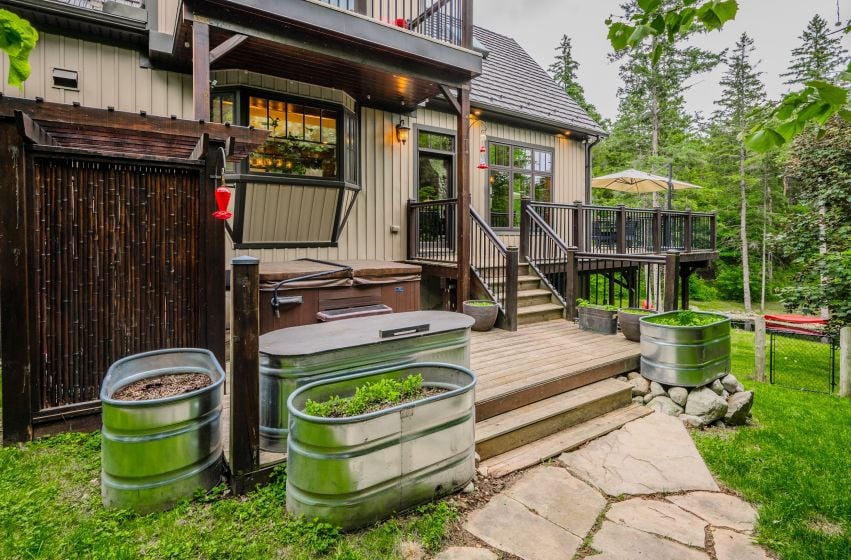
The first step is figuring out where you’ll put your garden. You don’t need a huge yard to start. Container gardens work well on balconies, patios, or even windowsills. If you have more space, consider a small raised bed or a small plot in the ground. Make sure the area gets enough sunlight; most plants need at least 6 hours of sunlight each day.
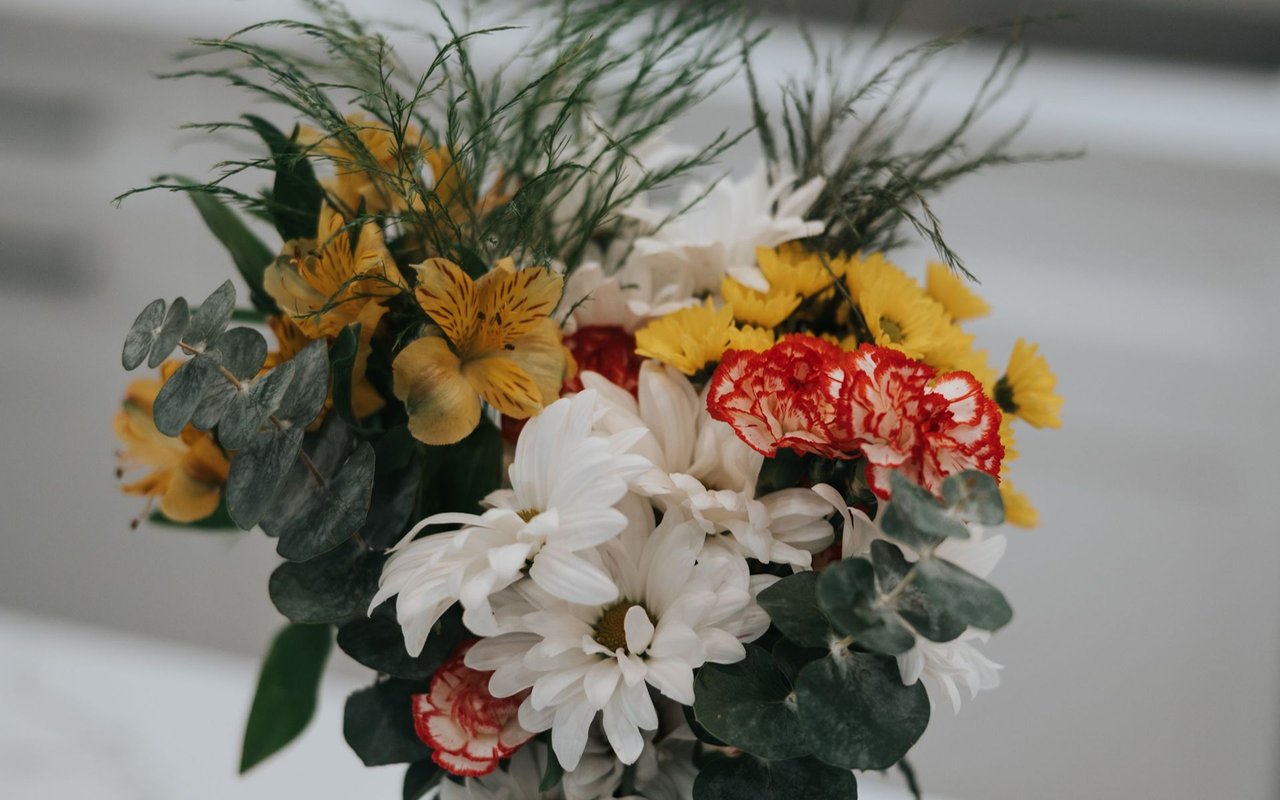
Start with plants that are beginner-friendly. If you’re new to gardening, herbs like basil, mint, or thyme are a great choice. For flowers, marigolds and sunflowers are easy to care for. If you want to grow food, tomatoes, lettuce, and radishes are great options for beginners.
You can find seeds at local garden centers, home improvement stores, or even online. Many garden stores also offer starter plants that you can simply transplant into your garden. If you're unsure what to pick, ask the store staff for advice on what grows well in your area and climate.
Healthy soil is the foundation of any garden. For a raised bed or garden plot, look for nutrient-rich soil or compost, which you can find at garden centres. If you're using containers, buy a good-quality potting mix that’s designed for the type of plants you’re growing. Good soil helps your plants grow stronger and thrive.
If you're using containers, make sure they have drainage holes to prevent overwatering. If you’re planting in the ground, loosen the soil with a shovel or garden fork. You can also add compost to improve the soil’s quality.
You can also add compost to improve the soil’s quality. If you’re unsure, you can ask at a local garden centre about the best soil for your plants.
If you're using containers, make sure they have drainage holes to prevent overwatering. If you’re planting in the ground, loosen the soil with a shovel or garden fork. You can also add compost to improve the soil’s quality. If you’re unsure, you can ask at a local garden centre about the best soil for your plants.
You don’t need fancy tools to start a garden. At a minimum, you’ll need a small trowel or spade, a watering can or hose, and gloves to protect your hands. If you’re working in the ground, a garden fork or rake can help loosen the soil.
Starting a garden can be a fun new project. It’s all about trying new things and learning as you go! By choosing easier plants, using the right soil, and starting with a small space, you’ll be well on your way to creating a garden you’re proud of, just like the rest of your home. With a little patience and care, you’ll soon enjoy the satisfaction of growing your own plants and adding beauty to your space.
Whether you have a big backyard or a small balcony, growing plants is something anyone can do.
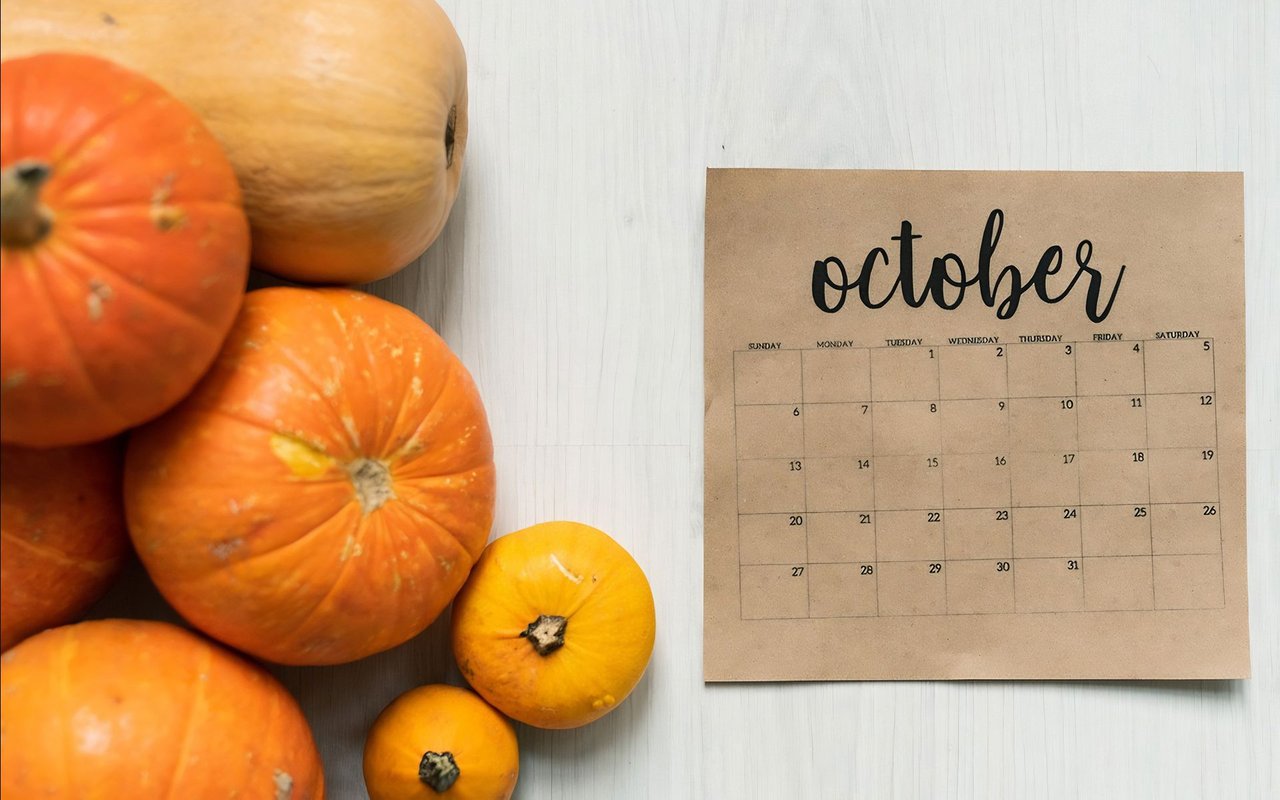
With a structured approach and some diligent work, you can get your home ready for the market in just 30 days.
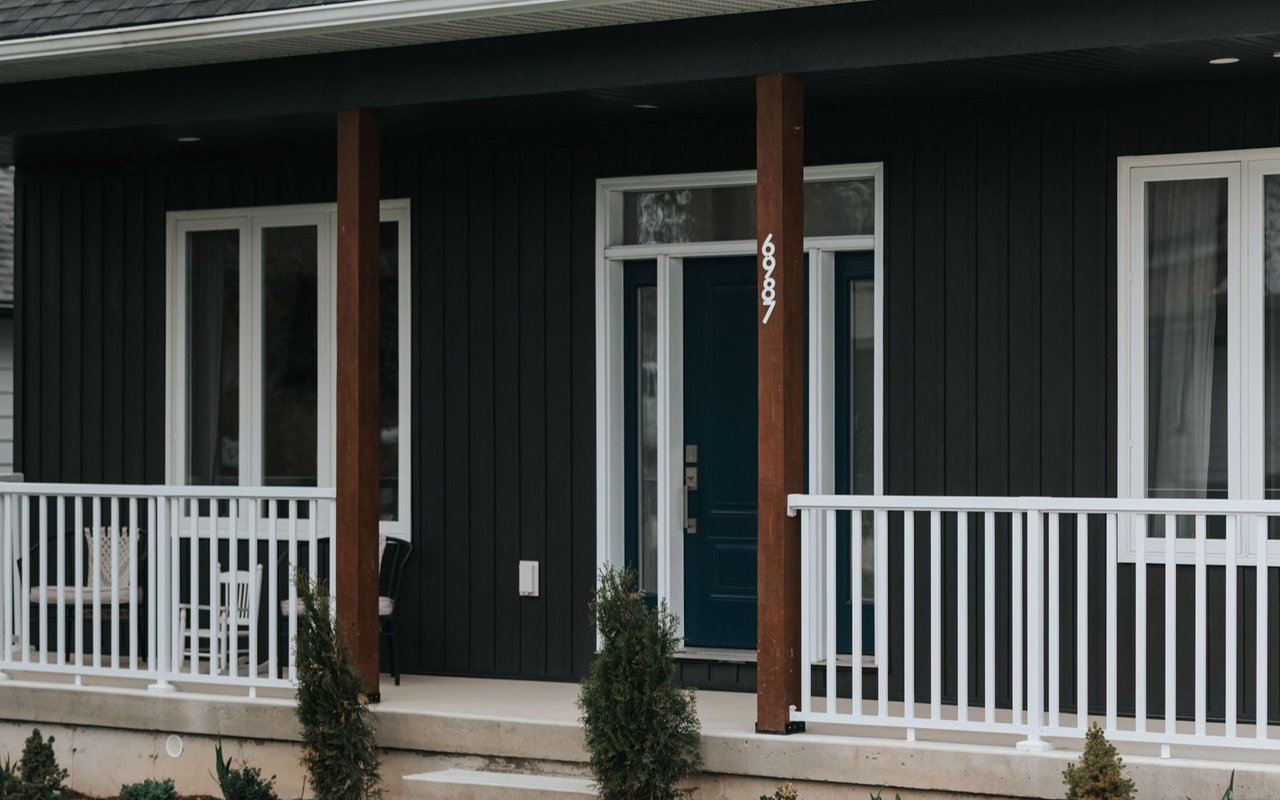
Sometimes the easiest fix is just a good clean. Power wash the walkway and porch, wipe down outdoor furniture and remove any cobwebs or debris.

Getting to grips with their impact is crucial for making savvy home-buying decisions in the KW market.

When a home is staged, potential buyers see exactly where furniture should go and how each room is laid out.

Choosing the right gift for a new homeowner is about striking a balance between practical use and personal significance.
Whether you are buying a luxury home, selling an acreage property, relocating within Ontario, or exploring your next investment, I will help you understand the opportunity and make informed decisions at every stage. My approach is personal, strategic, and grounded in honest communication—from our first conversation through negotiation, closing, and beyond. If real estate is part of your next chapter, I would welcome the opportunity to learn what matters most to you and create a plan around it.
Let’s Talk Kitchener-Waterloo Real Estate
THE GASCHO GROUP
(519) 573 7440
[email protected]
ADDRESS
279 QUEEN ST S
KITCHENER ON, N2G 1W4